DTF vs Sublimation: Which One Should You Use?
Share
These two methods get compared constantly, but they are not really competitors — they solve different problems. The deciding factor is almost always the garment.
The short answer
- Sublimation works only on light-coloured polyester. It dyes the fibre itself.
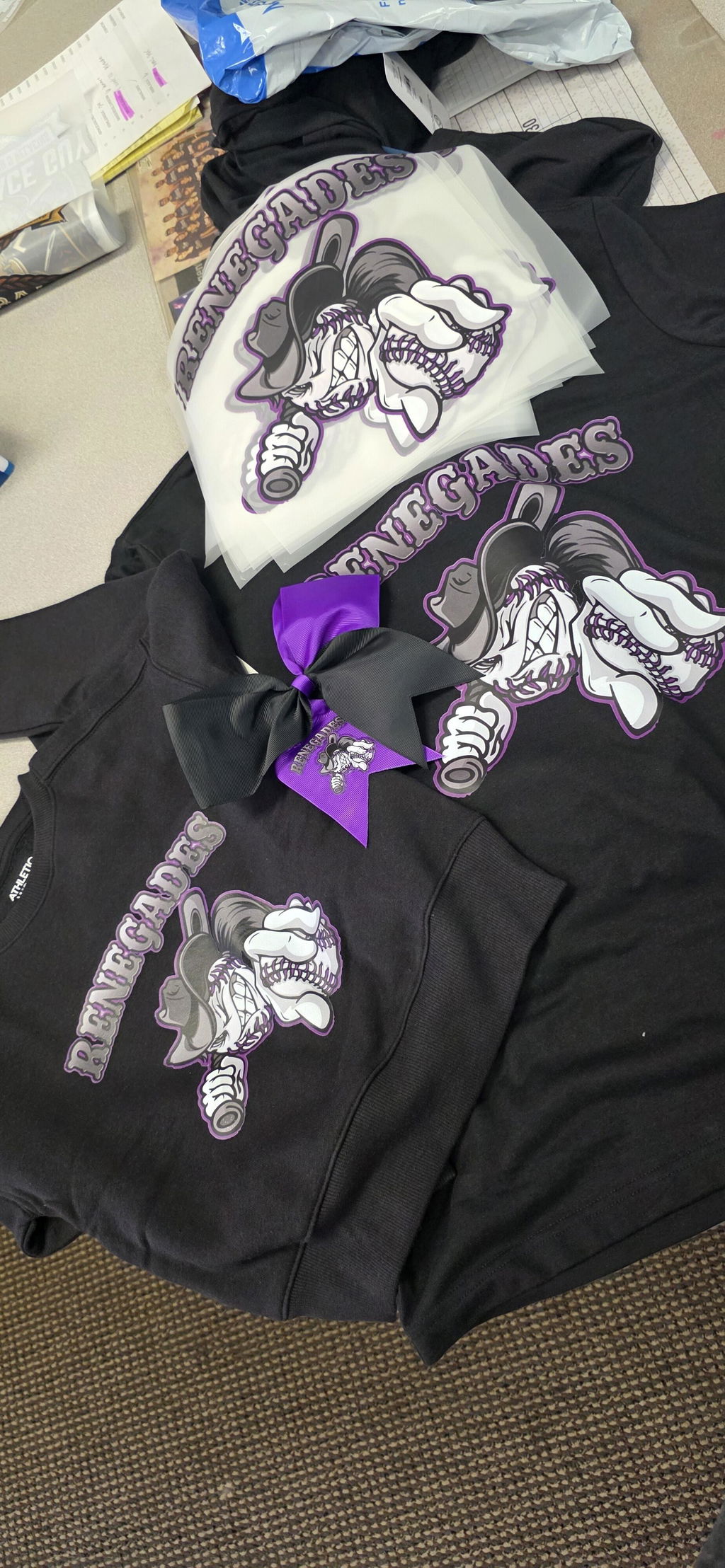
- DTF works on cotton, polyester, blends, and any colour including black. It bonds a printed layer to the surface.
If you want to print on a black cotton tee, sublimation is not an option. That single limitation decides most cases.
Fabric range
Sublimation ink turns to gas and bonds with polyester molecules. It cannot bond with cotton, and on a dark garment there is nothing to see — the dye is transparent, so it disappears into the colour underneath. DTF carries its own white ink base, which is exactly why it works on dark fabric. See our settings guide for how DTF behaves across fabric types.
Feel
Sublimation has no hand at all — the design is the fabric. DTF sits on top, so you can feel it, though a proper second press through parchment softens it considerably. On a well-pressed shirt the difference is much smaller than people expect.
Durability
Both last well when done right. Sublimation cannot crack or peel because there is no layer to crack. DTF is a bonded layer, so under-pressing or harsh washing can eventually cause lifting — which is why wash care matters more with DTF.
Setup and equipment
Sublimation needs a dedicated printer with sublimation ink. DTF needs a DTF printer plus a powder shaker and curing oven — a significant investment. This is why most sellers buy DTF transfers ready-made and only own a heat press. You get the fabric flexibility without the equipment.
Cost per print
Ordering DTF transfers on a gang sheet is where DTF gets cheap: you pay for film area, so packing many designs onto one sheet drops the cost per print sharply. Sublimation paper is inexpensive per sheet, but the polyester-only limitation narrows what you can sell.
Which should you choose?
- Cotton, blends or dark garments — DTF, no contest
- All-over polyester prints and mugs — sublimation
- Tumblers, glass and other hard surfaces — neither; use UV DTF, which needs no heat at all
- Mixed catalogue, no printer of your own — DTF transfers plus a heat press
Also worth comparing: DTF vs HTV. Ready to order? Start with the Gang Sheet Builder.